





Summer in Apex, NC doesn’t ease in gently. It arrives fast, stays hot, and puts your air conditioner through its paces for months at a time. The last thing you want is to flip on your AC for the first time in the season and realize something isn’t right. That’s exactly what a proper tune up is designed to prevent.
A tune up isn’t just a quick look at your unit. It’s a thorough inspection and servicing process that keeps your system running efficiently, extends its lifespan, and helps you avoid the kind of breakdowns that always seem to happen on the hottest day of the year. Here’s a breakdown of what a professional AC tune up should cover and why each step matters.
Why AC Tune Ups Matter More Than Most Homeowners Realize
Most people don’t think about their air conditioner until it stops working. But your AC is a mechanical system with moving parts, electrical components, and refrigerant lines that all need regular attention. Over time, dust builds up, parts wear down, and small inefficiencies quietly add up.
Skipping routine tune ups doesn’t just risk a breakdown. It also means your system is likely working harder than it needs to, which drives up your energy bills and shortens the life of your equipment. A well-maintained unit runs cleaner, cooler, and more efficiently than one that’s been left to fend for itself season after season.
The AC Tune Up Checklist
Inspect and Replace the Air Filter
This is one of the simplest but most important parts of any tune up. A clogged or dirty air filter restricts airflow, forces your system to work harder, and reduces the quality of air circulating through your home. A technician will check the filter and replace it if needed. If your filter is the kind you clean and reuse, they’ll make sure it’s been properly maintained.
Check and Calibrate the Thermostat
Your thermostat is the brain of your cooling system. If it’s reading temperatures inaccurately or not communicating correctly with your AC unit, your system won’t perform the way it should. A technician will verify that your thermostat is calibrated correctly and that it’s triggering the system at the right times.
Inspect Electrical Components and Connections
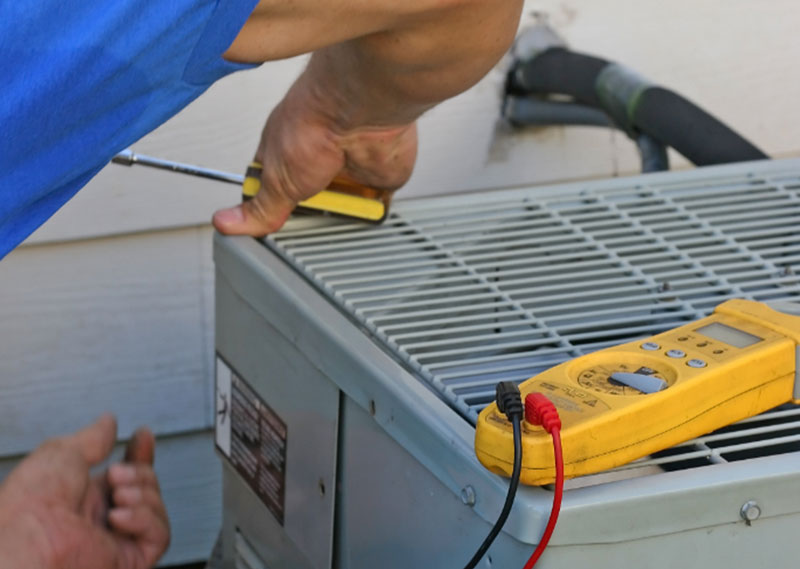
Loose or corroded electrical connections are a safety hazard and a common cause of system failure. During a tune up, a technician will inspect all electrical components, tighten any loose connections, and check for signs of wear or damage. Capacitors, contactors, and wiring are all part of this review.
Test Starting Components and Controls
Your AC system has to start reliably every time you need it. Technicians will test the startup sequence to make sure the system is cycling on and off correctly and that all controls are functioning as they should. Problems with starting components often lead to short-cycling, which puts unnecessary stress on the entire system.
Clean the Evaporator and Condenser Coils
Your AC system has two sets of coils: the evaporator coil inside your home and the condenser coil in the outdoor unit. Both can accumulate dirt and grime over time, which acts as insulation and reduces the system’s ability to transfer heat effectively. Dirty coils make your system work harder and cool less efficiently. Cleaning them is one of the most impactful things a technician can do during a tune up.
Check Refrigerant Levels
Refrigerant is what makes the cooling process possible. If your system is low on refrigerant, it won’t cool your home properly and will run inefficiently. A technician will check refrigerant levels and look for signs of a leak. Simply topping off refrigerant without finding the source of a leak is not a real fix, so a good technician will investigate further if levels are off.
Inspect and Clear the Condensate Drain Line
As your AC cools your home, it also removes humidity from the air. That moisture has to go somewhere, and it drains out through the condensate drain line. Over time, algae and debris can clog this line, causing water to back up and potentially leak into your home or damage your equipment. Clearing the drain line is a straightforward step that prevents a surprisingly common and messy problem.
Lubricate Moving Parts
Your AC system has motors and other moving components that need lubrication to run smoothly. Without it, friction builds up, parts wear out faster, and your system draws more energy to do the same job. Technicians will apply lubricant to the appropriate components to keep everything moving the way it should.
Inspect the Blower Motor and Belt
The blower motor is responsible for pushing cooled air through your ductwork and into your living spaces. A technician will inspect the motor for signs of wear, check the belt if your system has one, and make sure airflow is where it needs to be. A struggling blower motor often shows up as weak or uneven airflow throughout your home.
Measure System Performance and Efficiency
At the end of a tune up, a technician should measure how well your system is actually performing. This includes checking temperature differential, airflow, and overall efficiency. This gives you a real picture of how your system is doing and whether anything needs further attention.
How Often Should You Schedule an AC Tune Up?
Once a year is the general recommendation, and the best time to schedule it is in the spring before you’re depending on your system every day. Getting ahead of the heat means any issues can be addressed before they become urgent problems.
If your system is older or has a history of repairs, you may benefit from having it checked more frequently. And if it’s been more than a year since your last AC tune up, there’s no better time to schedule one than right now.
What Happens If You Skip It
Skipping a tune up one year might not cause any obvious problems. But skipping it year after year is a different story. Dirt builds up on coils, refrigerant levels drift, electrical connections loosen, and small inefficiencies compound into real wear and tear. Eventually, something gives.
When a system does break down from neglect, the repair costs are almost always higher than what consistent maintenance would have cost over the same period. And in some cases, the damage is significant enough that AC repair becomes a much bigger job than it needed to be.
When a Tune Up Reveals a Bigger Problem
Sometimes a tune up turns up something that goes beyond routine maintenance. A technician might find a refrigerant leak, a failing compressor, or significant wear on key components. In those cases, it’s worth having an honest conversation about whether repair or AC installation & replacement makes more financial sense, especially if your system is getting older.
A good technician won’t push you in either direction. They’ll give you the facts, explain your options, and let you make the decision that makes sense for your home and your budget.
Conclusion
A well-maintained air conditioner is a reliable one. Taking the time to schedule a professional tune up each year gives your system the attention it needs to perform at its best when Apex’s summer heat shows up in full force. It protects your investment, keeps your energy bills in check, and gives you the peace of mind that comes from knowing your equipment is ready.
When you’re ready to get your system checked out before the season hits, Degree Above Heating & AC Repair is here to help. Call us today or book your appointment online and get ahead of the heat before it gets ahead of you.